
Effects of Earthing on the Human Body
Why We Recommend It
Tejasvani Knowledge Desk
Modern lifestyles disconnect us from the Earth’s natural electrical field. Earthing (also known as grounding) is the practice of reconnecting the human body with the Earth’s electrons. Emerging research suggests that this simple connection may influence multiple systems in the body, ranging from inflammation and immunity to sleep, mood, and cardiovascular health.

🌿 Immune System & Inflammation
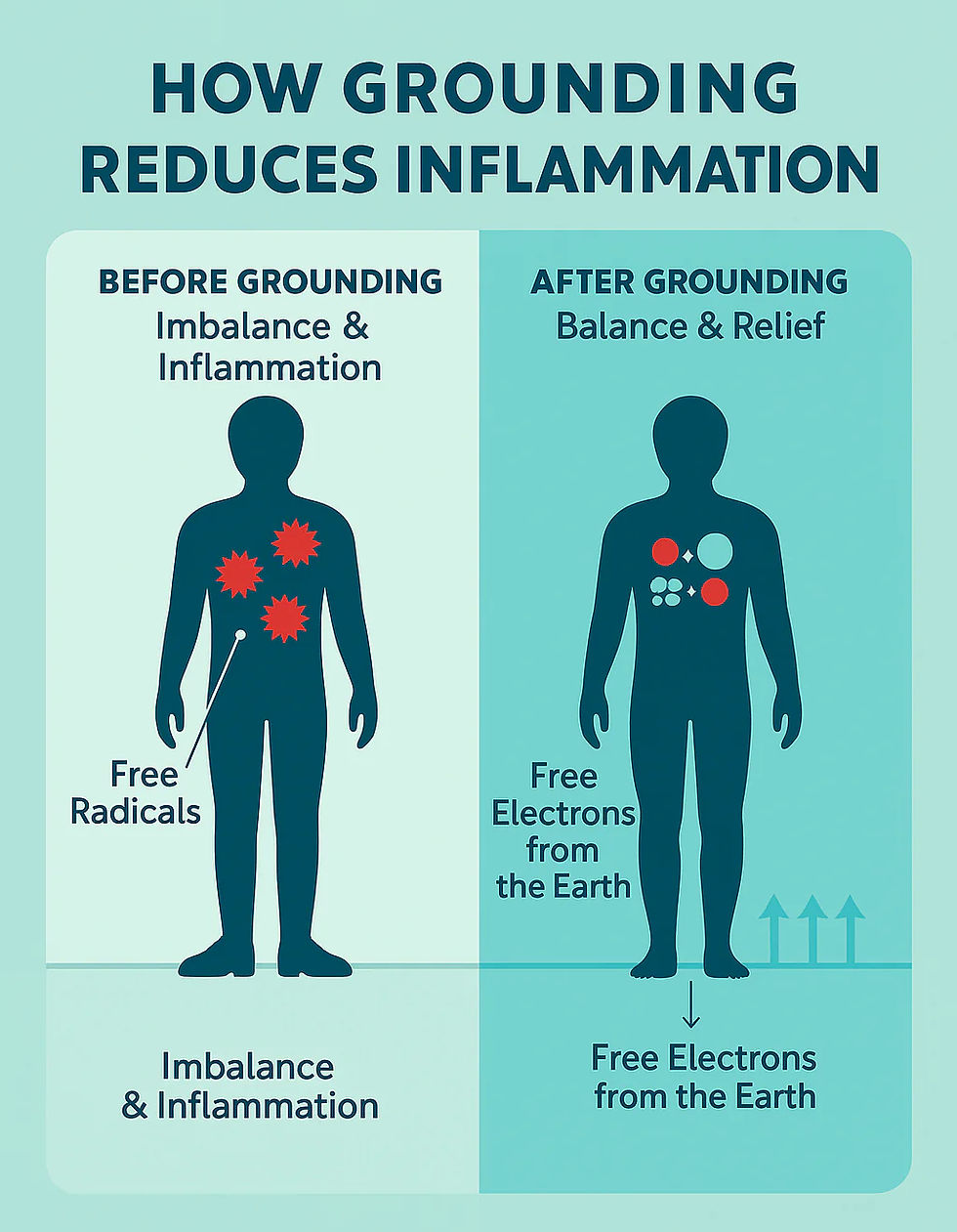
The immune system plays a central role in regulating inflammation. Research indicates that earthing may help modulate inflammatory responses, particularly in cases of chronic inflammation.
Studies using infrared imaging have shown a measurable reduction in inflammation within 30 minutes of earthing, accompanied by metabolic changes associated with tissue healing (Oschman et al., 2015). pasted
Earthing has also been shown to enhance immune response following vaccination, as evidenced by changes in immune markers in blood samples (Sokal & Sokal, 2011).
💪 Musculoskeletal System: Muscles & Bones
Multiple studies suggest that earthing may help reduce Delayed Onset Muscle Soreness (DOMS) occurring 24–72 hours after strenuous activity.
Reduced muscle pain and inflammation
Faster recovery after exercise
Lower blood urea levels, indicating reduced muscle breakdown
These effects were observed both during rest and while sleeping on grounding mats (Brown et al., 2010; Brown et al., 2015; Müller et al., 2019; Sokal et al., 2013).
Bone Health
After just one night of grounded sleep, participants showed decreased calcium and phosphorus loss through blood and urine, suggesting a potential reduction in bone density loss (Sokal & Sokal, 2011).
❤️ Cardiovascular System
Earthing has been shown to improve blood flow and circulation by increasing the zeta potential of red blood cells. A higher zeta potential reduces blood cell clumping, leading to thinner, more freely flowing blood.
One study demonstrated a 270% increase in zeta potential within two hours of earthing (Chevalier et al., 2013).
Additional findings include:
Reduction in blood pressure in individuals with hypertension
Improved oxygenation and perfusion variability
Indicators of a physiological healing response
(Elkin & Winter, 2018; Chevalier, 2010).
🧠 Autonomic Nervous System (ANS)
The autonomic nervous system regulates heart rate, digestion, respiration, and stress responses.
In premature infants, grounding increased heart rate variability (HRV), indicating improved ANS regulation (Passi et al., 2017).
In adults, earthing shifts the nervous system from “fight or flight” to “rest and digest”, promoting relaxation and recovery (Chevalier, 2010).
Cortisol levels, a key stress hormone, were found to normalize with regular grounding (Ghaly & Teplitz, 2004).
✨ Skin Health & Wound Healing
Grounding has been associated with increased blood flow to the skin, particularly the face, neck, and torso (Chevalier, 2014; 2015). pasted
This improved circulation may explain reports of better skin tone and complexion. In wound care, a documented case showed dramatic healing of a chronic wound after two weeks of using grounding patches, following months of unsuccessful treatment (Sinatra et al., 2017).
😴 Sleep Quality
Improved sleep is one of the most commonly reported benefits of earthing.
Faster sleep onset
Fewer nighttime awakenings
Improved total sleep time and efficiency
Clinical studies showed normalization of cortisol rhythms and significant improvements in sleep indices such as PSQI, ISI, and ESS scores (Ghaly & Teplitz, 2004; Ober et al., 2010; Hyun-Jung Park et al., 2025).
🙂 Mood & Emotional Wellbeing
In controlled studies, participants using grounded mats and pillows reported:
Improved mood
Reduced fatigue
Increased relaxation and positivity
These effects were significantly greater than placebo groups (Chevalier, 2015).
🌬️ Electromagnetic Hygiene, Air Quality & Respiratory Health
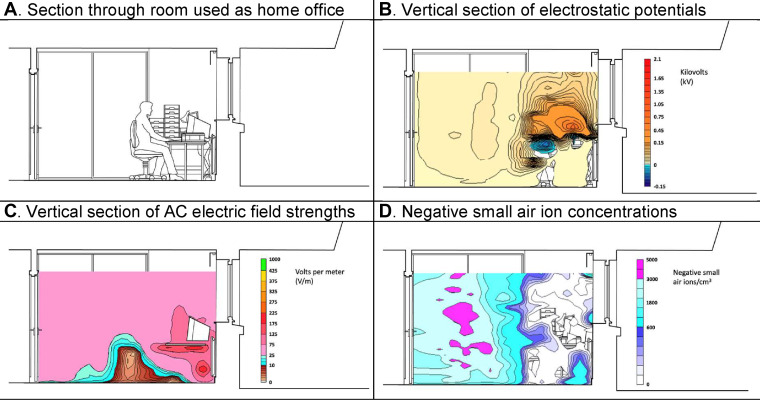
Researchers have long noted that excess static charge from clothing, bedding, and furniture can worsen respiratory conditions such as asthma and emphysema (Watson, 1977; Bach, 1967).
Grounding acts as an anti-static mechanism, reducing charged airborne particles and lowering the retention of harmful particulates in the respiratory system.
Recent research emphasizes that improving electromagnetic hygiene and reducing charged particulate exposure may lower the risk of respiratory and neurodegenerative diseases (Isaac A. Jamieson, 2023).
🌍 Closing Note
Earthing is not a replacement for medical care, but growing evidence suggests it may serve as a supportive, low-risk wellness practice that aligns with the body’s natural electrical design. As research continues, grounding stands out as a simple intervention with system-wide implications for health and recovery.


Comments