
PCOS Has a New Name: Understanding Polyendocrine Metabolic Ovarian Syndrome (PMOS)
Tejasvani Knowledge Desk
For decades, PCOS (Polycystic Ovary Syndrome) has been one of the most commonly diagnosed hormonal disorders affecting women. However, recent scientific discussions have highlighted that the name "PCOS" does not adequately describe the complexity of the condition.
A new term is now being proposed:
Polyendocrine Metabolic Ovarian Syndrome (PMOS)
This revised nomenclature reflects the broader hormonal, metabolic, and systemic nature of the disorder rather than focusing only on the ovaries.
Importantly, the so-called "cysts" seen on ultrasound are not true cysts. They are immature ovarian follicles that have failed to mature and ovulate due to underlying hormonal and metabolic dysfunction.

Why the Name Change?
Research published in The Lancet highlights that metabolic dysfunction is a core feature of the syndrome rather than a secondary consequence.
Key findings include:
Insulin resistance affects the majority of women with PMOS.
Excess androgen production contributes to many of the symptoms.
Chronic low-grade inflammation plays a role.
Obesity, especially abdominal obesity, worsens symptom severity.
Risks of type 2 diabetes, fatty liver disease, hypertension, dyslipidemia, and cardiovascular disease are significantly increased.
These findings support the inclusion of the term "metabolic" in the revised name.
Understanding the Hormonal Imbalance
The exact cause of PMOS remains unclear, but several hormonal disturbances are consistently observed.
Anti-Müllerian Hormone (AMH)
AMH is produced by ovarian follicles and regulates their development. Excessive AMH can disrupt normal follicle maturation, resulting in the accumulation of immature follicles and impaired ovulation.
LH and FSH Imbalance
Women with PMOS often exhibit:
Elevated luteinizing hormone (LH)
Relatively lower follicle-stimulating hormone (FSH)
This imbalance promotes excessive androgen production by ovarian theca cells, creating a cycle that further disrupts ovulation.
Androgen Excess
Excess androgens can lead to:
Acne
Excess facial or body hair (hirsutism)
Irregular menstrual cycles
Fertility challenges
Increased risk of insulin resistance and metabolic disorders

Spearmint and Carvone: An Interesting Area of Research
Spearmint has gained attention because of its potential anti-androgenic effects.
The major volatile compound in spearmint essential oil is carvone, which has shown promising interactions with androgen pathways in molecular studies.
Researchers have suggested that carvone may act as an androgen receptor antagonist, potentially reducing androgen signaling.
Many studies have investigated spearmint tea for women with PCOS. While some benefits have been reported, the concentration of carvone in tea preparations is relatively low compared to that found in essential oil.
Further clinical research is needed before definitive conclusions can be made.
What Does Research Say About Herbal Approaches?
A growing number of studies have evaluated herbs and natural interventions for various aspects of PMOS.
Hormonal Balance and Menstrual Cycles
Research suggests potential benefits from:
Cinnamon (Cinnamomum cassia)
Fenugreek (Trigonella foenum-graecum)
Marjoram
Vitex agnus-castus
Nigella sativa
Celery seed (Apium graveolens)
These herbs have been studied for their potential roles in improving menstrual regularity and supporting hormonal balance.
Anti-Androgen Support
Some studies suggest that the following may help reduce androgen-related symptoms:
Spearmint
Dill (Anethum graveolens)
Shatavari (Asparagus racemosus)
Chamomile
Additional research is still required to confirm long-term effectiveness.
Metabolic Support
Several herbal interventions have shown promise in improving metabolic parameters such as:
Insulin resistance
Blood glucose regulation
Lipid profile
Body weight management
Among the most studied are:
Cinnamon
Nigella sativa
Berberine
Soy isoflavones
Green tea
Pomegranate
Dietary additions such as flaxseed, walnuts, almonds, and red onions have also demonstrated potential benefits.
Oxidative Stress Reduction
Oxidative stress is increasingly recognized as a contributor to PMOS.
Studies indicate that cinnamon and soy-based interventions may help improve antioxidant status and reduce markers of oxidative damage.
Sonographic Improvements
Some herbal interventions have shown encouraging effects on:
Ovarian volume
Follicular development
Endometrial thickness
Herbs studied include:
Fenugreek
Flaxseed
Dill
Shatavari
Wood Betony
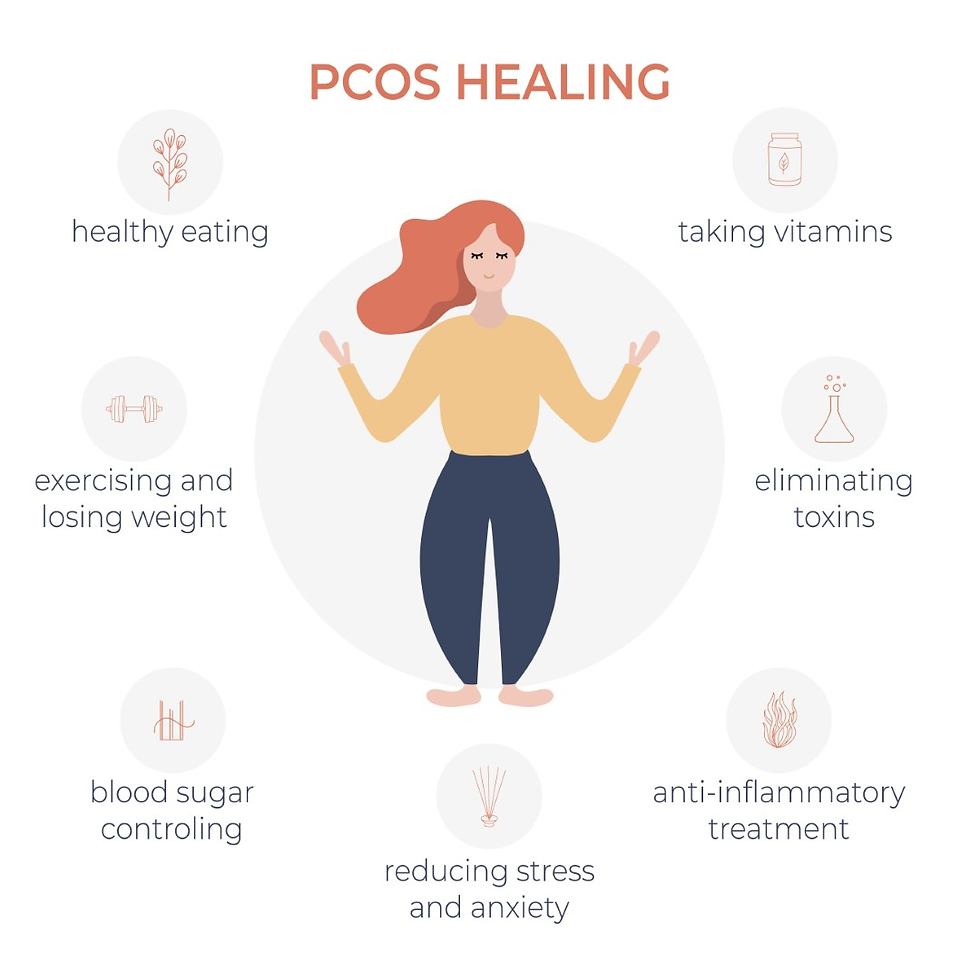
Lifestyle Still Remains the Foundation
Despite advances in research, lifestyle intervention remains one of the most effective approaches for managing PMOS.
Key strategies include:
Maintaining a healthy body weight
Regular physical activity
Improving insulin sensitivity through diet
Managing stress
Ensuring adequate sleep
Even modest improvements in these areas can significantly improve symptoms and long-term health outcomes.
Final Thoughts
The proposed shift from PCOS to PMOS reflects a growing understanding that this condition extends far beyond the ovaries. It is a complex interaction of hormonal, metabolic, inflammatory, and reproductive factors.
While herbal and nutritional approaches continue to show promise, they work best when combined with appropriate medical guidance and lifestyle interventions.
As research evolves, a more holistic understanding of PMOS may help women receive more comprehensive care and better long-term outcomes.
This article is intended for educational purposes and should not be considered medical advice. Always consult a qualified healthcare professional before beginning any treatment protocol.


Comments