
Obesity An Introduction And What We Can Do (part 1)
- 1 day ago
- 4 min read

Key facts (WHO Dec.2025)
In 2022, 1 in 8 people in the world were living with obesity.
Worldwide adult obesity has more than doubled since 1990, and adolescent obesity has quadrupled.
In 2022, 2.5 billion adults (18 years and older) were overweight. Of these, 890 million were living with obesity.
In 2022, 43% of adults aged 18 years and over were overweight and 16% were living with obesity.
In 2024, 35 million children under the age of 5 were overweight.
Over 390 million children and adolescents aged 5–19 years were overweight in 2022, including 160 million who were living with obesity.
Definition of overweight and obesity.

WHO defines overweight and obesity as outlined below.
Adults
For adults: overweight is a BMI greater than or equal to 25; and obesity is a BMI greater than or equal to 30.
Children
For children, age needs to be considered when defining overweight and obesity.
Children aged between 5–19 years
For children aged 5–19 years: overweight is BMI-for-age greater than 1 standard deviation above the WHO Growth Reference median; and obesity is greater than 2 standard deviations above the WHO Growth Reference median.
Children under 5 years of age
For children under 5 years of age: overweight is weight-for-height greater than 2 standard deviations above WHO Child Growth Standards median; and obesity is weight-for-height greater than 3 standard deviations above the WHO Child Growth Standards median.
Causes of overweight and obesity
Overweight and obesity result from an imbalance of energy intake (diet) and energy expenditure (physical activity). In most cases obesity is a multifactorial disease due to environmental and psycho-social factors and genetic variants. In a subgroup of patients, single major etiological factors can be identified (e.g. medications, diseases, immobilization, iatrogenic procedures, and monogenic disease/genetic syndrome). Key environmental factors affecting the prevalence of overweight and obesity are those that limit the availability of healthy and sustainably-produced food at locally affordable prices spaces for physical activity and the absence of adequate legal and regulatory environments. A further factor is the lack of an effective health system response to identify excess weight gain and fat deposition at an early stage

Common health consequences
The health risks caused by overweight and obesity are increasingly well documented and understood.
In 2021, higher-than-optimal BMI caused an estimated 3.7 million deaths from noncommunicable diseases (NCDs) such as cardiovascular diseases, diabetes, cancers, neurological disorders, chronic respiratory diseases, and digestive disorders
The relationship between obesity and its associated complications is complex and bidirectional. Obesity is a key pathophysiologic driver of diabetes, other cardiovascular risk factors (eg, hypertension, hyperlipidemia, metabolic dysfunction-associated steatotic liver disease, and an inflammatory state), and ultimately cardiovascular and kidney disease.

Being overweight in childhood and adolescence affects children’s and adolescents’ health and is associated with greater risk and earlier onset of various NCDs, such as type 2 diabetes and cardiovascular disease. Childhood and adolescent obesity have adverse psychosocial consequences; they affect school performance and quality of life, compounded by stigma, discrimination and bullying. Children with obesity are very likely to become adults with obesity and are also at a higher risk of developing NCDs in adulthood.
The economic impacts of the obesity epidemic are also important. If nothing is done, the global costs of overweight and obesity are predicted to reach US$ 3 trillion per year by 2030 and more than US$ 18 trillion by 2060.
Finally, the rise in obesity rates in low-and middle-income countries, including among lower socio-economic groups, is fast globalizing a problem that was once associated only with highincome countries.
Metabolic and Endocrine Complications
Insulin resistance and type 2 diabetes
Type 2 diabetes represents one of the most significant complications of obesity, with obesity or excessive weight gain identified as the most critical risk factor in the development and progression of type 2 diabetes in all age groups. The lifetime risk of developing diabetes increases dramatically with rising body mass index (BMI), from 7% in men with a BMI less than 18.5 kg/m² to 70% in those with a BMI greater than 35 kg/m².

Clinical presentation and risk factors
Insulin resistance typically precedes the development of overt diabetes by several years and may be clinically evident through the presence of acanthosis nigricans, particularly in pediatric populations. Acanthosis nigricans is characterized by increased pigmentation and skin thickness in intertriginous folds, most commonly observed in the axillae and posterior neck. This dermatological condition is often associated with glucose intolerance in children and adolescents. Other clinical manifestations include fatigue, increased hunger, and gradual weight gain.
What are the symptoms of obesity?

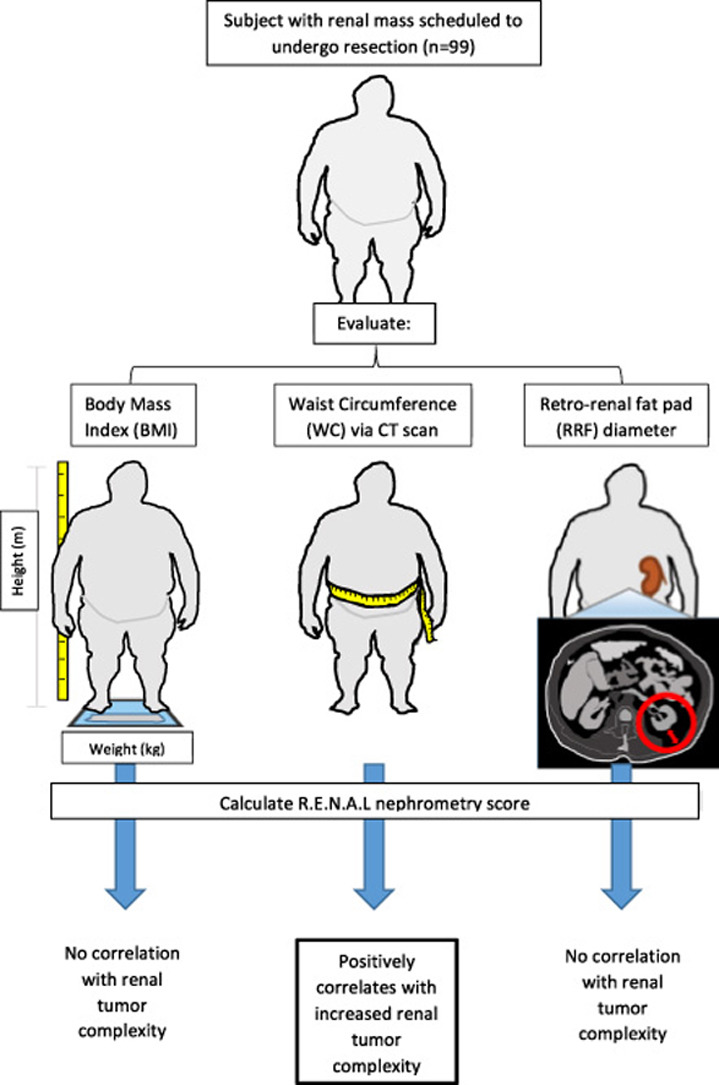
While obesity is a disease, it doesn’t cause specific symptoms. A healthcare provider may define obesity by calculating your:
Body mass index: The BMI measures average body weight against average body height.
Body shape: Measure waist circumference.
BMI classifications
There are three general classes of obesity that providers use to decide what steps you can take to lose weight. Those classes are:

Class 1 obesity: BMI 30 to less than 35 kg/m² (kilograms per square meter).
Class 2 obesity: BMI 35 to less than 40 kg/m²
Class 3 obesity: BMI 40+ kg/m².
When you think about the BMI scale, it’s important to remember that the BMI scale doesn’t accurately predict specific health risks.
Waist circumference
The U.S. Centers for Disease Control and Prevention (CDC) says a waist circumference of more than 35 inches in females or 40 inches in males can be a risk factor for cardiovascular disease or Type 2 diabetes.


Comments